Gaudí. El hombre y su obra
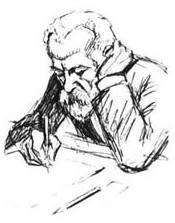
Anton Gaudí i Cornet (1852-1926) es el arquitecto más popular de la historia.
Su revolución de la arquitectura y de las artes plásticas sienta las bases del arte actual y futuro.
La obra de Gaudí es una búsqueda de la perfección del arte, de la perfección personal y de la perfección de la sociedad humana.
Él lo expresaba así:
«Para hacer las cosas bien es necesario: primero, el amor; segundo, la técnica».
Gaudí programó construir la Sagrada Família en 10 años, de 1886 a 1896
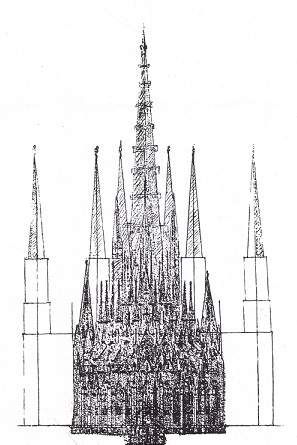 El 3 de noviembre de 1883, Gaudí tomó posesión con plenos poderes de ejecución de la obra de la Sagrada Família, comenzada un año antes por Francisco de Paula del Villar.
Prosiguió la construcción de la cripta, con algunas modificaciones. Al cabo de cuatro años, a finales de 1887, había acabado lo grande; y los dos años siguientes, 1888 y 1889, hizo los pavimentos, vidrieras, etc.
Mientras tanto, el arquitecto iba pensando el proyecto de la bas&iacu...
Gaudí empezó la Sagrada Família por motivos profesionales y no por un pensamiento religioso
En el otoño de 1883 Gaudí aceptó el encargo de continuar la Sagrada Família. 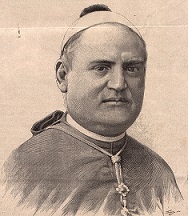 Durante los seis años siguientes, hasta finales de 1889, terminó la cripta, iniciada por el primer arquitecto, Francisco de Paula del Villar.
Mientras tanto, proyectó la basílica superior y en 1886 se comprometió con el promotor, Josep Maria Bocabella, a realizarla en diez años.
El joven arquitecto pasaba entonces la etapa irreligiosa de su vida, que había arrancado en la adolescencia y acabó en Astorga, gracias a la amistad personal del doctor Joan Baptista Grau, iniciada el verano de 1889 y finalizada trágicamente en otoño de 1893 por la muerte accid...
Todos los derechos reservados.
Última actualización: 06/05/2016